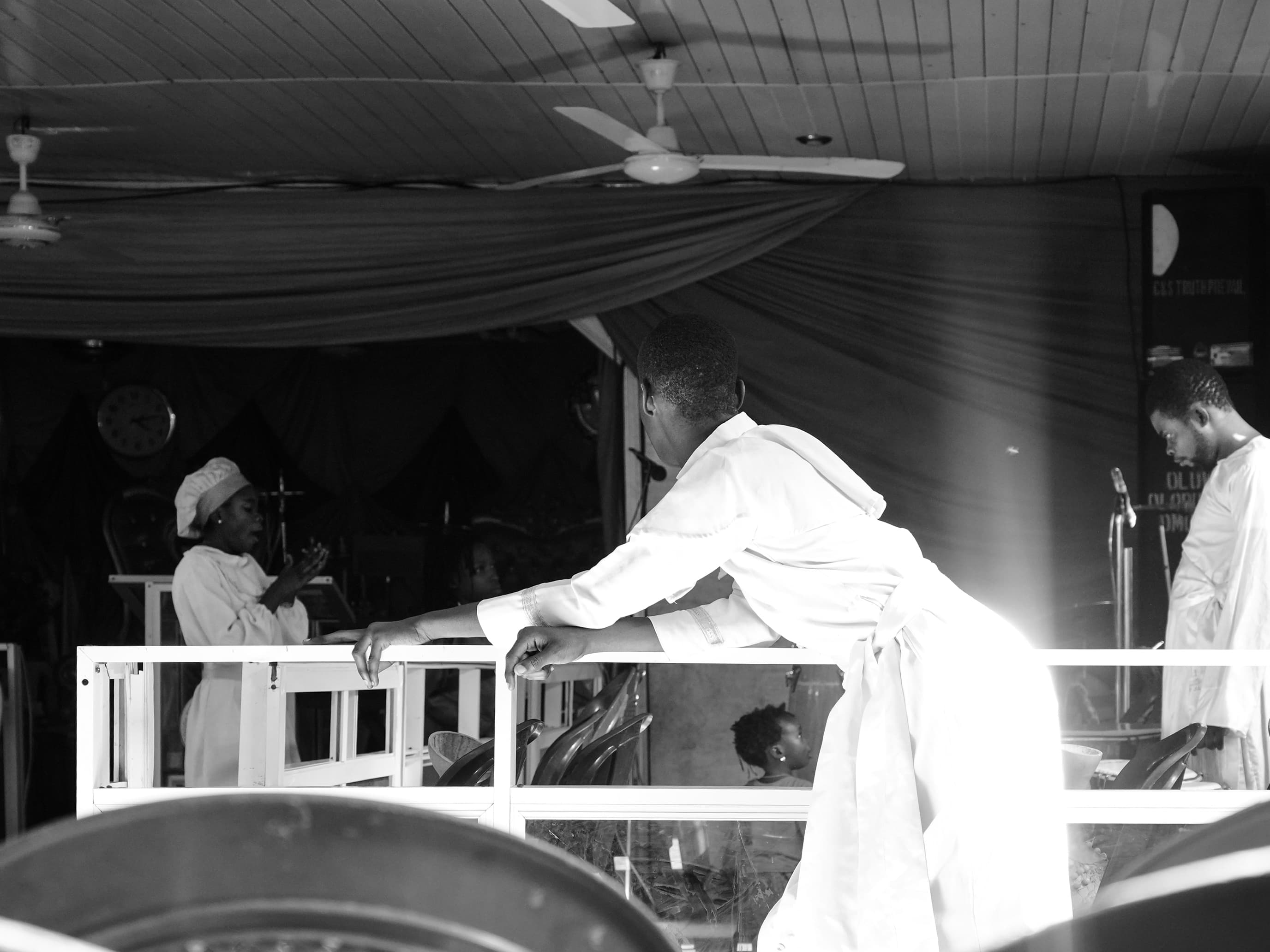
Taslimah Woli is a Nigerian visual storyteller and photographer whose work explores the relationship between people and the built environments they inhabit. She documents how ordinary individuals navigate, appropriate, and assert themselves within urban and architectural spaces across Nigeria. Rooted in her architectural training and a deep belief that space is never neutral, Taslimah's practice sits at the intersection of photography, memory, and everyday life.
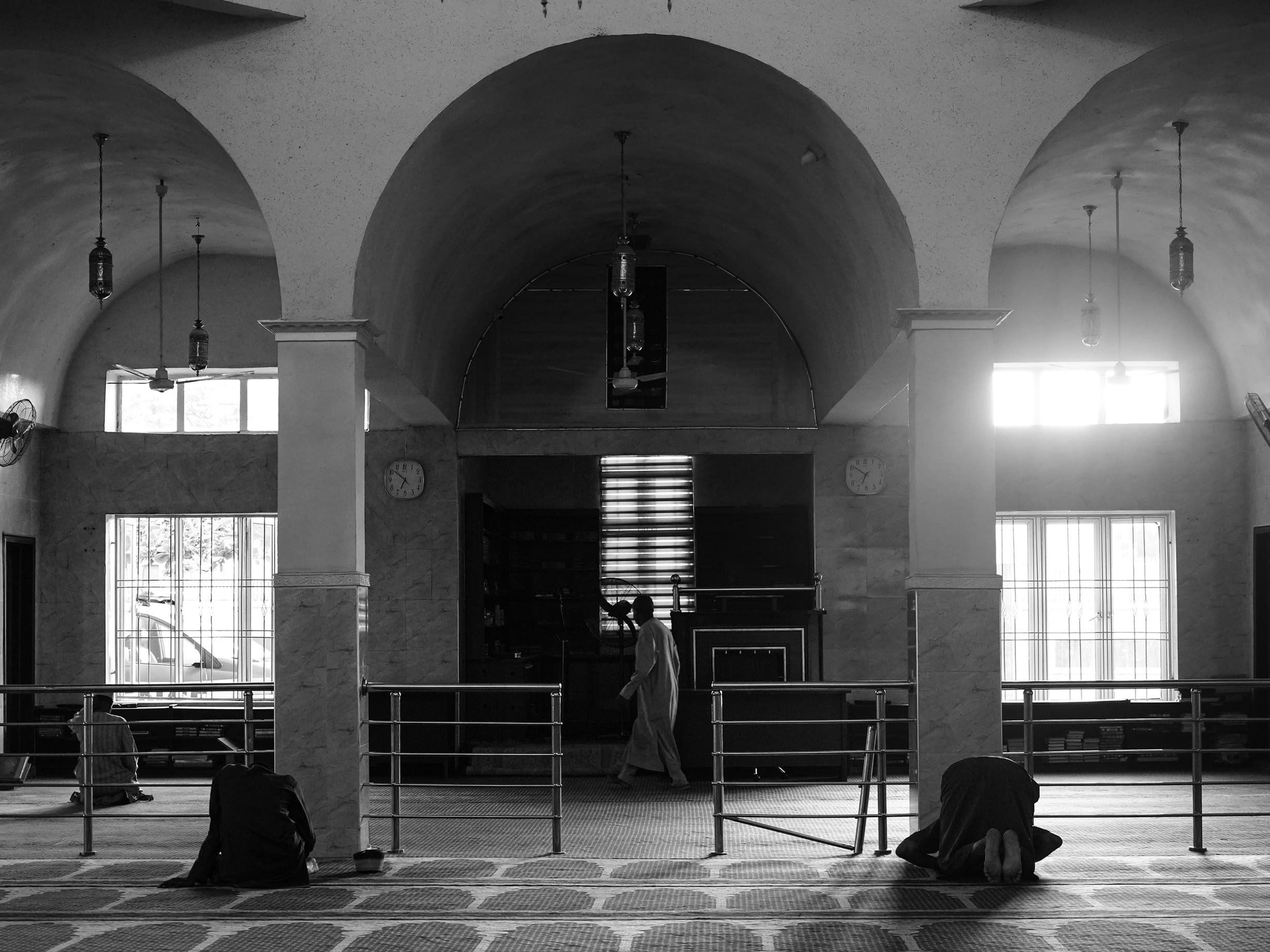
In March, Taslima joined Open Arts for a 10 day research residency at the Open Arts Space supported by the Goethe Institute as part of the Residency Resourced Program. The focus of her research was to investigate the ways residents in kaduna appropriate spaces with a focus on how religious spaces are used by people in various ways. This research was a continuation of earlier works started in southwestern Nigeria in Lagos and Ilorin, meant to provide a comparative discourse on how religious spaces are used between two parts of the country.
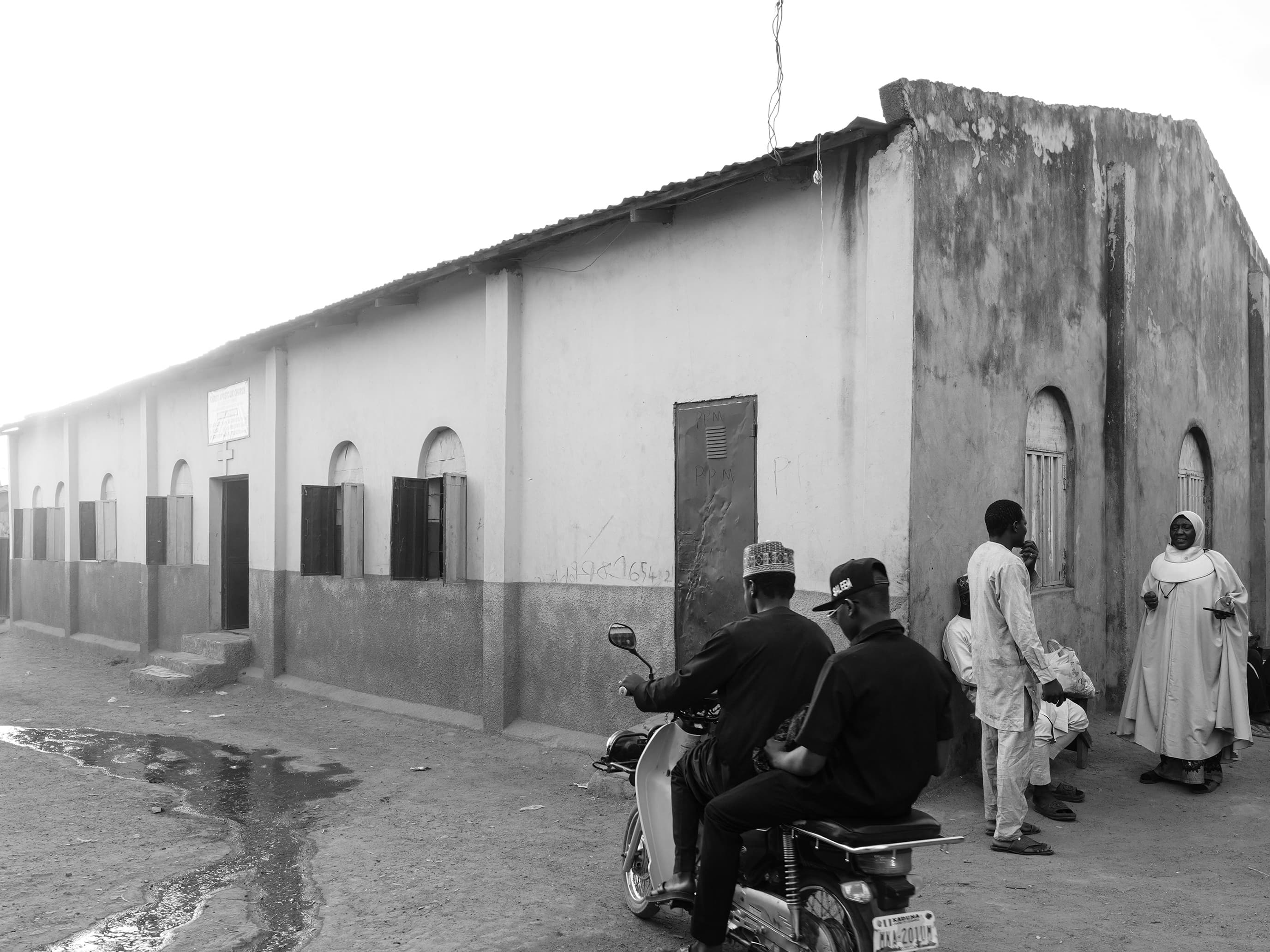
During her 10 days residency, Taslimah directed her lens towards exploring the relationships that people have with mosques and churches in kaduna. She walked the streets of Kaduna visiting mosques, churches, community heads, imams and pastors, exploring how these spaces are used in the everyday life of the community, who uses them, and the ways that religious spaces transform and evolve during and after moments of crisis.
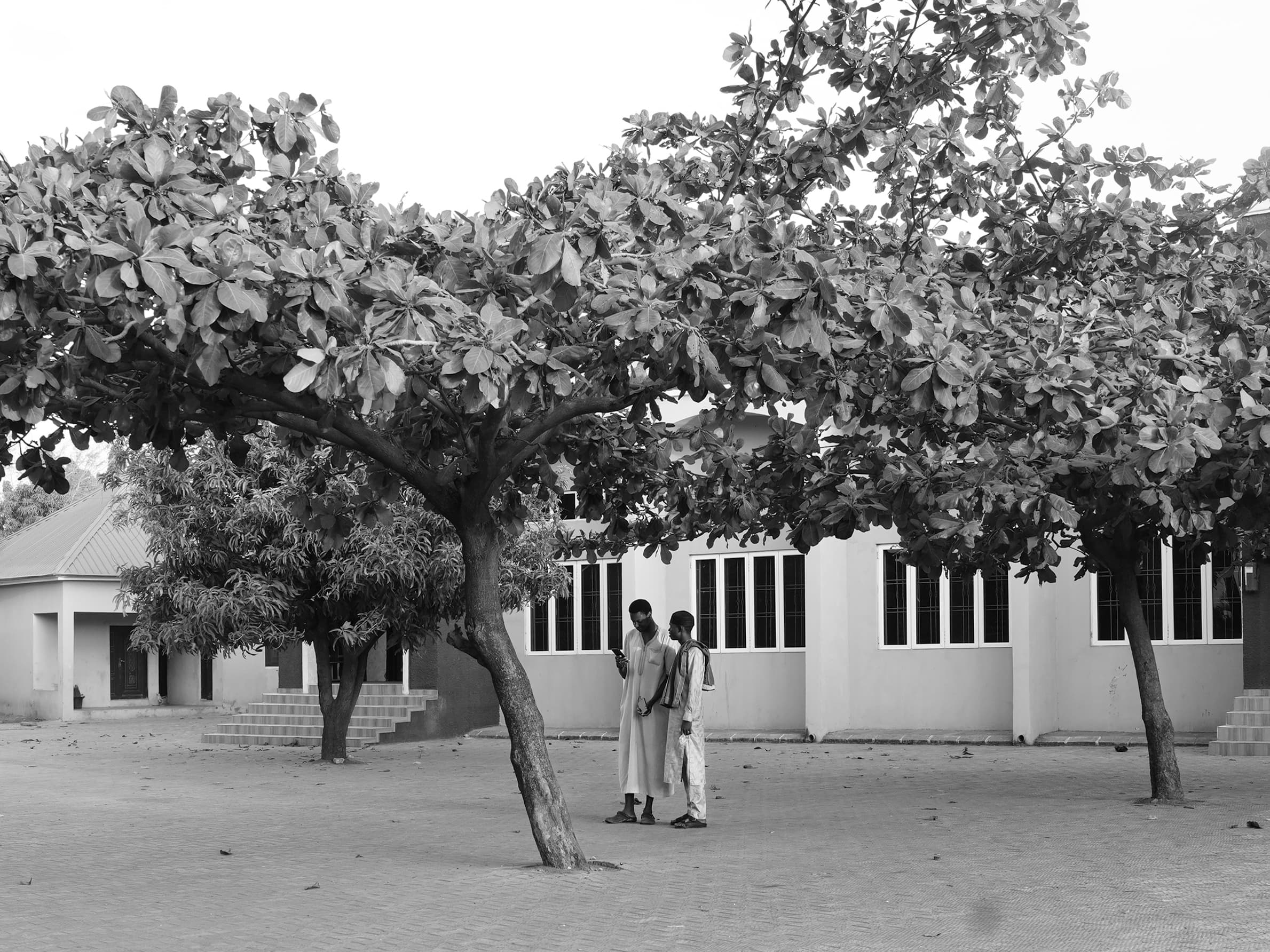
Her residency culminated with a public open studio at the Open Arts Space, where she shared her initial research findings, photographs developed over the course of her stay and engaged the community in an open discourse on cultural and traditional differences that occur as seen in religious spaces across the northern and south-western parts of nigeria.
This residency served as the first of Open Arts' creative residencies, opening up the Open Arts Space to artists across Nigeria, Africa and the Global South as a space for creative exploration, research and production.